The way we design and build our homes is undergoing an unprecedented transformation. Residential architecture in 2025 is all about innovation, sustainability, and functionality, responding to the evolving needs of modern living. From cutting-edge technology to eco-conscious materials, homes are being reimagined as more than just places to live—they’re becoming sustainable, personalized, and intelligent spaces.
Let’s explore the 10 key trends shaping residential architecture in 2025, uncovering how these developments will redefine the future of housing.
Get LIFETIME ACCESS to “My Private Prompt Library”: https://ko-fi.com/s/277d07bae3
Focus Keywords: Residential Architecture Trends 2025
Slug: 10-key-trends-shaping-residential-architecture-2025
Meta Description: Discover the top 10 key trends shaping residential architecture in 2025, including sustainability, smart homes, and multifunctional designs.
Alt Text Image: 10 Key Trends Shaping Residential Architecture in 2025
10 Key Trends Shaping Residential Architecture in 2025
The way we design and build our homes is undergoing an unprecedented transformation. Residential architecture in 2025 is all about innovation, sustainability, and functionality, responding to the evolving needs of modern living. From cutting-edge technology to eco-conscious materials, homes are being reimagined as more than just places to live—they’re becoming sustainable, personalized, and intelligent spaces.
Let’s explore the 10 key trends shaping residential architecture in 2025, uncovering how these developments will redefine the future of housing.
Sustainability: A Core Pillar of Design
One of the most prominent trends in residential architecture for 2025 is sustainability. With global concerns about climate change escalating, homeowners and architects alike are prioritizing eco-friendly designs that reduce carbon footprints and promote energy efficiency.
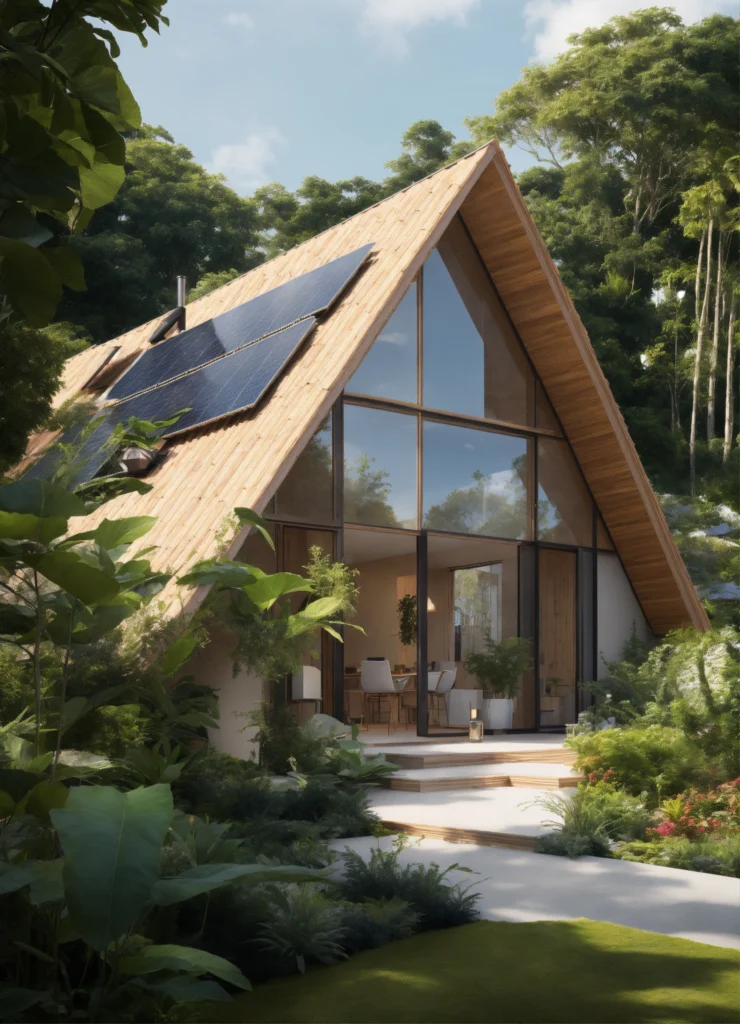
Sustainable architecture encompasses a range of strategies, including the use of renewable building materials, passive solar design, and energy-efficient systems. Homes are being constructed with materials like bamboo, recycled steel, and reclaimed wood, all of which minimize environmental impact while offering durability.
Moreover, green roofs, solar panels, and rainwater harvesting systems are becoming standard features. These additions not only lower energy bills but also enhance the home’s connection to the natural environment. By adopting sustainable practices, residential architecture is moving toward a future where homes contribute positively to the planet.
The Rise of Smart Homes
The integration of smart technology into residential spaces is no longer a luxury—it’s a necessity in 2025. Smart homes are revolutionizing how people interact with their living spaces by enhancing convenience, security, and energy management.
Imagine controlling your lighting, temperature, and security systems with a simple voice command or smartphone app. Smart thermostats, automated lighting systems, and AI-driven home assistants are now the norm. Additionally, homes equipped with IoT (Internet of Things) devices can monitor energy consumption in real time, helping homeowners make informed decisions about their usage.
The rise of 5G technology has further amplified the potential of smart homes, enabling seamless connectivity and faster data transmission. This ensures that homes remain functional and efficient, catering to the demands of a tech-savvy generation.

Biophilic Design: Bringing Nature Indoors
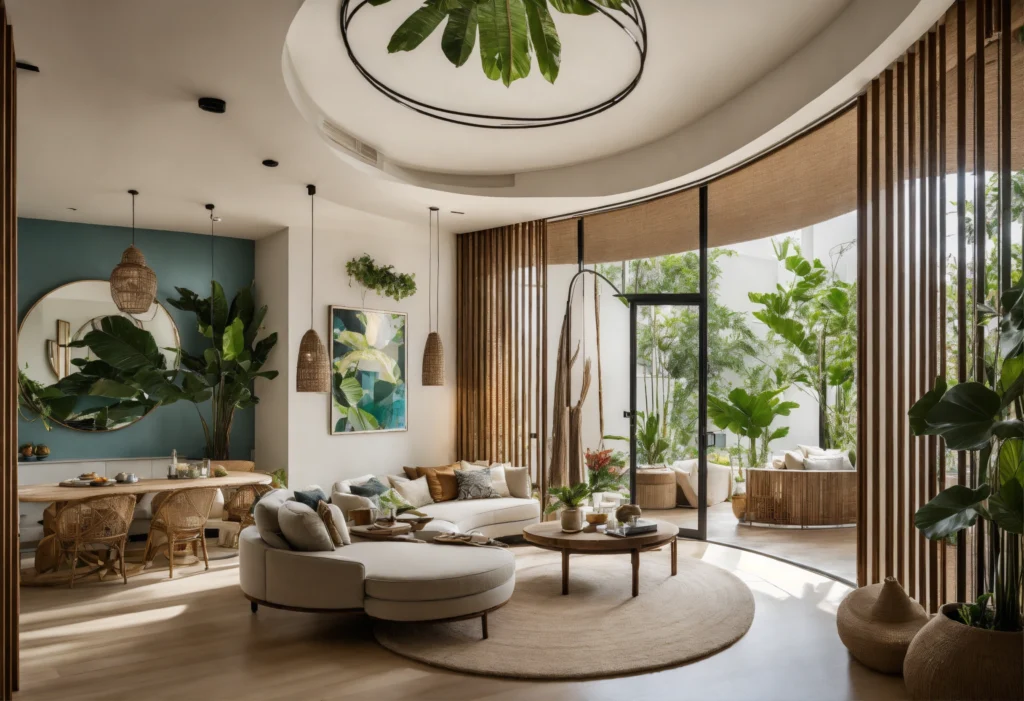
As urbanization continues to expand, people are yearning for a closer connection to nature. This has given rise to biophilic design, a trend that incorporates natural elements into residential architecture to enhance well-being and comfort.
Biophilic homes feature large windows for natural light, indoor gardens, living walls, and the strategic use of wood and stone. These elements create a calming environment, improve air quality, and reduce stress. In 2025, the focus is on blending indoor and outdoor spaces seamlessly, with courtyards, terraces, and balconies that bring homeowners closer to nature.
The emphasis on biophilic design isn’t just aesthetic—it’s also backed by science. Studies have shown that exposure to natural elements can improve mental health and boost productivity, making this trend both beautiful and functional.
Multifunctional Spaces for Modern Lifestyles
As more people embrace remote work and flexible living arrangements, homes are being designed with multifunctionality in mind. In 2025, residential architecture is prioritizing adaptable spaces that can serve multiple purposes, maximizing every square foot of the home.
For instance, living rooms can double as home offices, while guest bedrooms can transform into workout studios. Movable walls, modular furniture, and hidden storage solutions make it easy to customize spaces based on daily needs.
This trend is particularly relevant for urban dwellers living in compact spaces. By designing homes with versatility at the forefront, architects are ensuring that modern lifestyles are accommodated without compromising on style or functionality.
Net-Zero Energy Homes
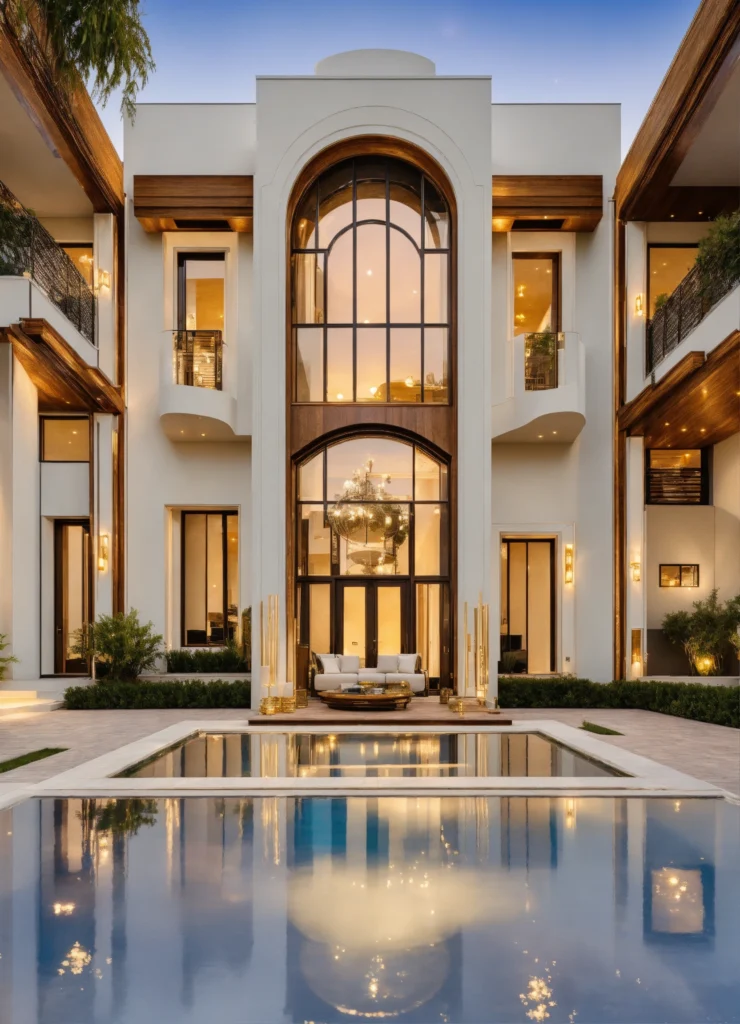
Net-zero energy homes, which produce as much energy as they consume, are quickly becoming the gold standard in residential architecture. By combining renewable energy systems with energy-efficient designs, these homes are paving the way for a sustainable future.
Solar panels, geothermal heating, and advanced insulation are just a few of the features that enable net-zero energy performance. Architects are also leveraging smart energy management systems to optimize energy usage throughout the home.
As governments and organizations set stricter environmental targets, the adoption of net-zero energy homes is expected to rise. These homes not only reduce greenhouse gas emissions but also offer long-term cost savings for homeowners, making them a win-win solution for both the planet and residents.
Minimalist Aesthetics with a Personal Touch
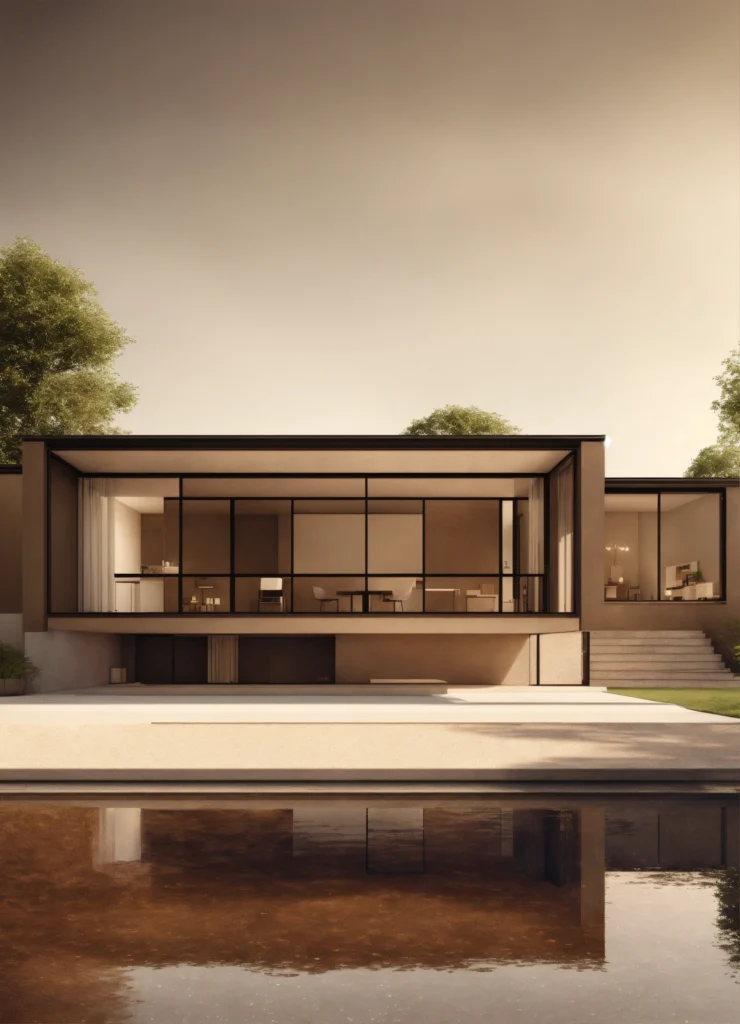
Minimalism remains a strong influence in residential architecture, but with a twist. In 2025, the focus is on creating clean, clutter-free spaces that reflect the homeowner’s personality and preferences.
The modern minimalist home emphasizes functionality, with open floor plans, neutral color palettes, and simple furnishings. However, designers are also incorporating unique elements like statement art pieces, textured finishes, and personalized decor to add warmth and character.
This approach strikes a balance between simplicity and individuality, ensuring that homes feel both stylish and inviting.
The Shift Toward Prefabrication
Prefabricated construction methods are gaining momentum in residential architecture due to their efficiency, affordability, and sustainability. In 2025, modular homes and prefab components are becoming a popular choice for both urban and rural settings.
Prefabrication allows for faster construction times, as components are manufactured off-site and assembled on-site. This reduces waste, lowers labor costs, and ensures consistent quality. Additionally, prefab designs can be customized to suit individual preferences, offering flexibility without compromising on speed.
With advancements in technology, prefabricated homes are now as durable and aesthetically appealing as traditional builds, making them a viable solution for the housing challenges of the future.
Emphasis on Wellness Architecture
Wellness is becoming a central theme in residential architecture, with designs focused on promoting physical and mental health. From air purification systems to ergonomic layouts, homes are being optimized for well-being in every sense.
Key features include circadian lighting systems, which adjust throughout the day to mimic natural sunlight, and soundproofing materials that create a peaceful environment. Additionally, homes are incorporating wellness-focused amenities like home gyms, meditation rooms, and spa-inspired bathrooms.
By addressing the connection between living spaces and health, architects are creating homes that cater to the holistic needs of their inhabitants.
Resilient Design for Changing Climates
As climate change leads to more extreme weather events, resilient design is becoming a top priority in residential architecture. Homes in 2025 are being built to withstand hurricanes, floods, and heatwaves, ensuring the safety and comfort of residents.
Resilient homes feature durable materials, elevated foundations, and storm-resistant windows. Architects are also incorporating passive cooling and heating techniques to maintain comfortable indoor temperatures despite external fluctuations.
This trend highlights the importance of future-proofing homes, ensuring that they remain functional and secure in the face of environmental challenges.
The Revival of Local and Vernacular Architecture
In an era of globalization, there is a growing appreciation for local and vernacular architecture. By drawing inspiration from traditional building techniques and materials, architects are creating homes that celebrate cultural heritage while addressing modern needs.
Vernacular architecture prioritizes climate-responsive design, using locally sourced materials and techniques that are suited to the environment. This approach not only preserves cultural identity but also promotes sustainability by reducing the carbon footprint associated with transporting materials.
In 2025, we’re seeing a harmonious blend of tradition and innovation, as architects combine age-old wisdom with cutting-edge technology to create homes that are both timeless and contemporary.